- Address
- 107 W Courthouse Square, Cumming, GA, 30040
- Phone
- (770) 889-6384
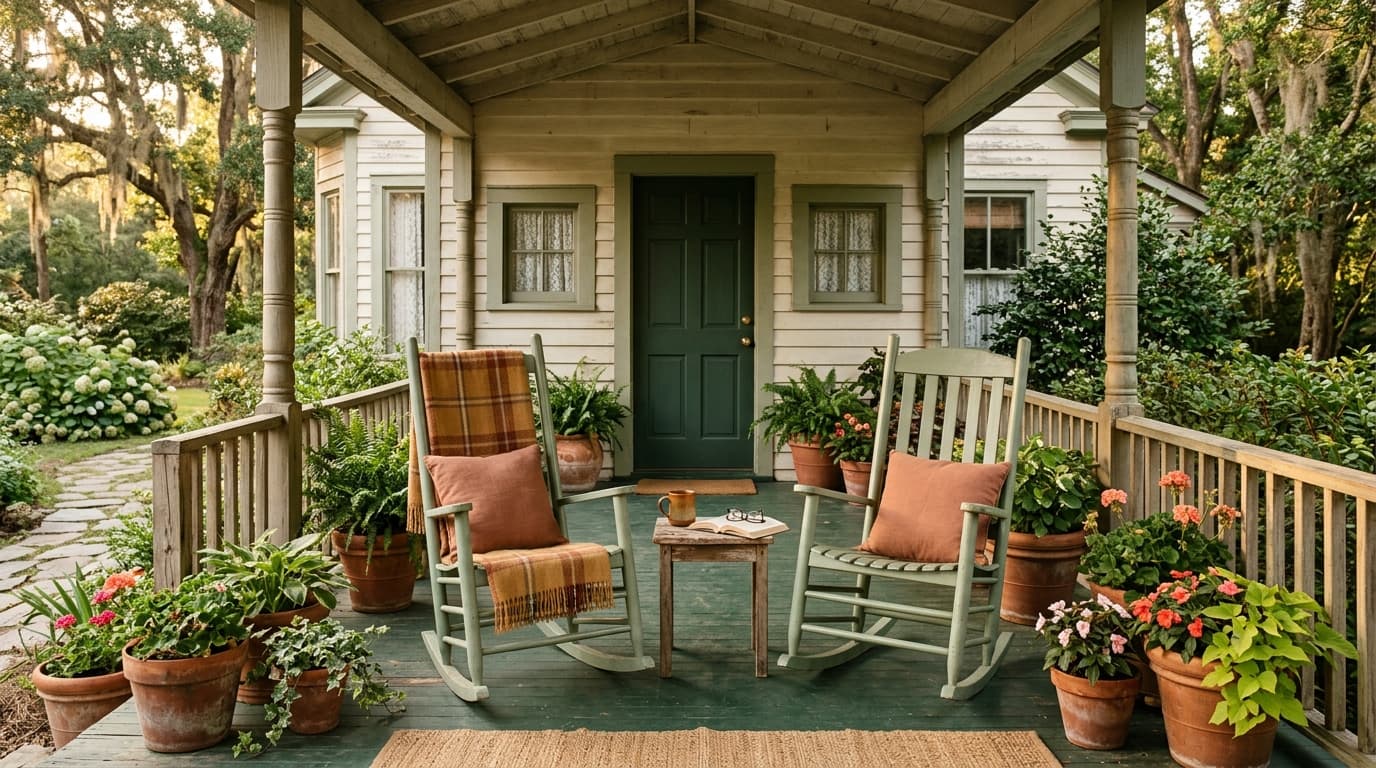
Sober Living Homes in Cumming, Georgia
9 sober living programs in Cumming, Georgia provide a peer-supported, substance-free environment for people in recovery.
- Address
- 925 Sanders Rd, Cumming, GA, 30041
- Phone
- (678) 261-7671
- Insurance Accepted
- Medicare · Private Insurance · TRICARE
- Address
- 2725 Pine Grove Road, Cumming, GA, 30041
- Phone
- (770) 886-7873
- Insurance Accepted
- Private Insurance · Self-Pay · Sliding Scale
- Address
- 2725 Pine Grove Rd, Cumming, GA, 30041
- Phone
- (770) 886-7873
- Address
- 608 Veterans Memorial Blvd, Cumming, GA, 30040
- Phone
- (770) 265-6988
- Address
- 380 Dahlonega St #100, Cumming, GA, 30040
- Phone
- (678) 919-8384
- Address
- 380 Dahlonega St #100, Cumming, GA, 30040
- Phone
- (678) 919-8384
- Address
- 327 Dahlonega St Suite 1901A, Cumming, GA, 30040
- Phone
- (404) 426-7612
- Address
- 327 Dahlonega St Suite 1901A, Cumming, GA, 30040
- Phone
- (404) 426-7612
Not sure which level of care is right?
Answer 7 short questions to find the treatment level that fits your situation.
Many sober living residents attend outpatient treatment simultaneously. View outpatient programs in Cumming →
Frequently Asked Questions
What is GARR-certified sober living in Georgia?
GARR (Georgia Association of Recovery Residences) is Georgia's quality certification body for sober living homes. Certified homes meet standards for physical environment, operational policies, and recovery support services — providing assurance that a residence meets evidence-based best practices.
How much does sober living cost in Cumming?
Sober living in Cumming typically ranges from $500–$1,500 per month depending on location and amenities. Most costs are paid out-of-pocket. Some homes offer sliding scale fees or recovery scholarships for eligible residents.
What is the difference between sober living and a halfway house?
Sober living homes are voluntary, peer-supported residences with rules around sobriety, meetings, and shared responsibilities. Halfway houses historically refer to court- or state-supervised transitional housing. GARR-certified sober living homes meet established quality standards for voluntary recovery housing.